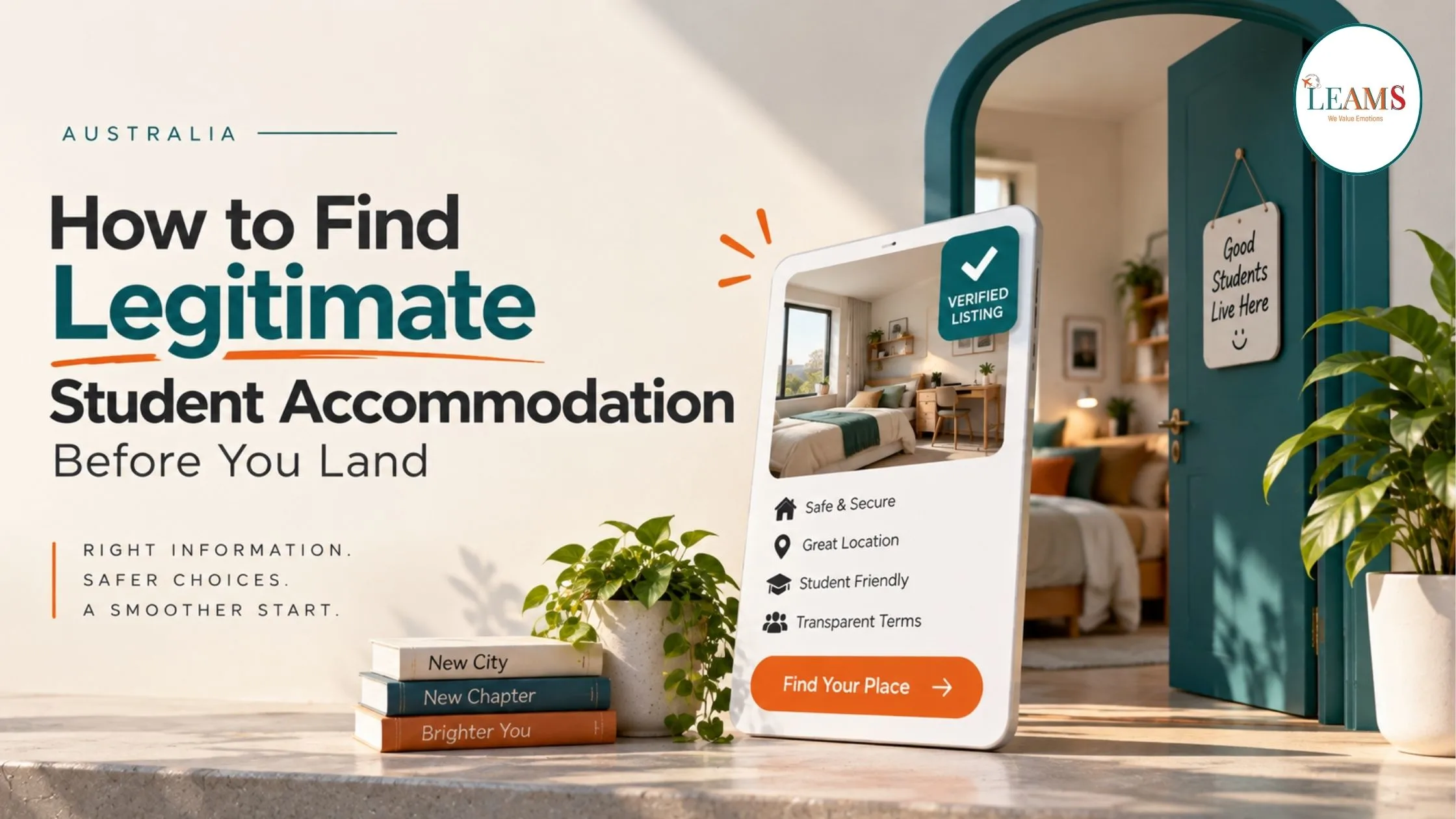
| Quick Summary (TL;DR) : - Booking a place to live in a country you've never set foot in is one of the riskiest parts of moving abroad — and it's exactly where housing scams target international students, because you can't inspect a property in person or easily verify who you're paying. Here's the part almost no guide covers: Australia actually has official accreditation systems built specifically to solve this problem, and checking them before you pay a deposit is the single most useful thing you can do. |
The Check Nobody Tells You About: Official Accreditation
Before comparing prices or photos, verify whether the accommodation is actually accredited under Australia's own quality frameworks:
- Purpose-built student accommodation: Look for properties accredited under the National Property Accreditation Scheme (NPAS), overseen by the Student Accommodation Association (SAA). This accreditation means the property is operated to industry-led standards focused specifically on student safety and wellbeing.
- Homestay providers: Check whether the provider meets the Australian Government Schools International (AGSI) Homestay Standards, and whether they've been evaluated by NEAS, an independent quality assurance body that assesses homestay providers against set standards.
If a listing can't confirm either of these when relevant to its category, that's not automatically a scam — but it does mean you're relying entirely on informal trust, with no official body standing behind the arrangement.
What You Actually Need to Budget For
Accommodation isn't just a lifestyle decision — it's tied directly to your visa. The Department of Home Affairs requires student visa applicants to demonstrate financial capacity covering living costs, tuition, and travel for the first 12 months of your stay. This figure is set and updated by the Department, and it's meant to realistically cover accommodation alongside your other living expenses — so your housing budget and your visa's financial evidence should tell a consistent story, not two different numbers that don't add up.
If you're renting privately once you arrive, be aware that a security deposit — called a "bond" — is standard practice and is typically equivalent to about four weeks' rent, on top of your regular payments.
Your Options, With the Verification Caveat Built In
- On-campus residences: Arranged directly through your education provider, which is usually the most straightforward option to verify, since you're dealing with the institution itself rather than a third party.
- Purpose-built student accommodation (off-campus): Check for NPAS accreditation before committing.
- Homestay: Check for AGSI standards compliance and NEAS evaluation before committing.
- Private rental or share house: Typically arranged through a real estate agent or directly with a landlord, often found via noticeboards at your institution or established share-house platforms. This route has the least built-in verification, so extra caution — video calls with the landlord or agent, confirmed identity checks, and never transferring money without a proper lease agreement — matters most here.
Your education provider can also offer direct advice and support in finding appropriate accommodation, and reaching out to them before you commit anywhere is worth doing regardless of which option you're leaning toward.
A Realistic Timeline Before You Land
Rather than treating this as one single task, break it into stages:
- As soon as you have your offer letter — contact your education provider's accommodation office to ask what on-campus or provider-recommended options exist, and whether they can point you to NPAS-accredited or NEAS-evaluated providers directly.
- Once you're comparing off-campus or homestay options — verify accreditation status before any payment, not after.
- Before transferring any money — confirm the lease or homestay agreement is in writing, and that you understand what a bond is refundable against.
- Just before departure — reconfirm your booking directly with the provider, since scams often target the final weeks before arrival when students are eager to lock something in.
About This Article
Reviewed by the LEAMSS Team — we help students plan accommodation and financial documentation together, so both align with visa requirements before departure.
Have questions about your specific accommodation or visa documentation? Talk to our team directly.
Official Sources
Study Australia (Australian Government) — Accommodation
Department of Education (Australian Government) — Guide for Supporting International Students With Accommodation
Department of Home Affairs — Financial Capacity Evidence Requirements