| Quick Summary (TL;DR):- Vietnam is gaining popularity among Indian travellers in 2026 for its affordability, diverse experiences and flexible e-Visa system. Indian passport holders generally need a visa or e-Visa for mainland Vietnam, with e-Visas available for stays of up to 90 days. Phu Quoc has a separate visa exemption of up to 30 days, but it does not allow entry into mainland Vietnam — an important limitation highlighted in Indian government travel guidance. |
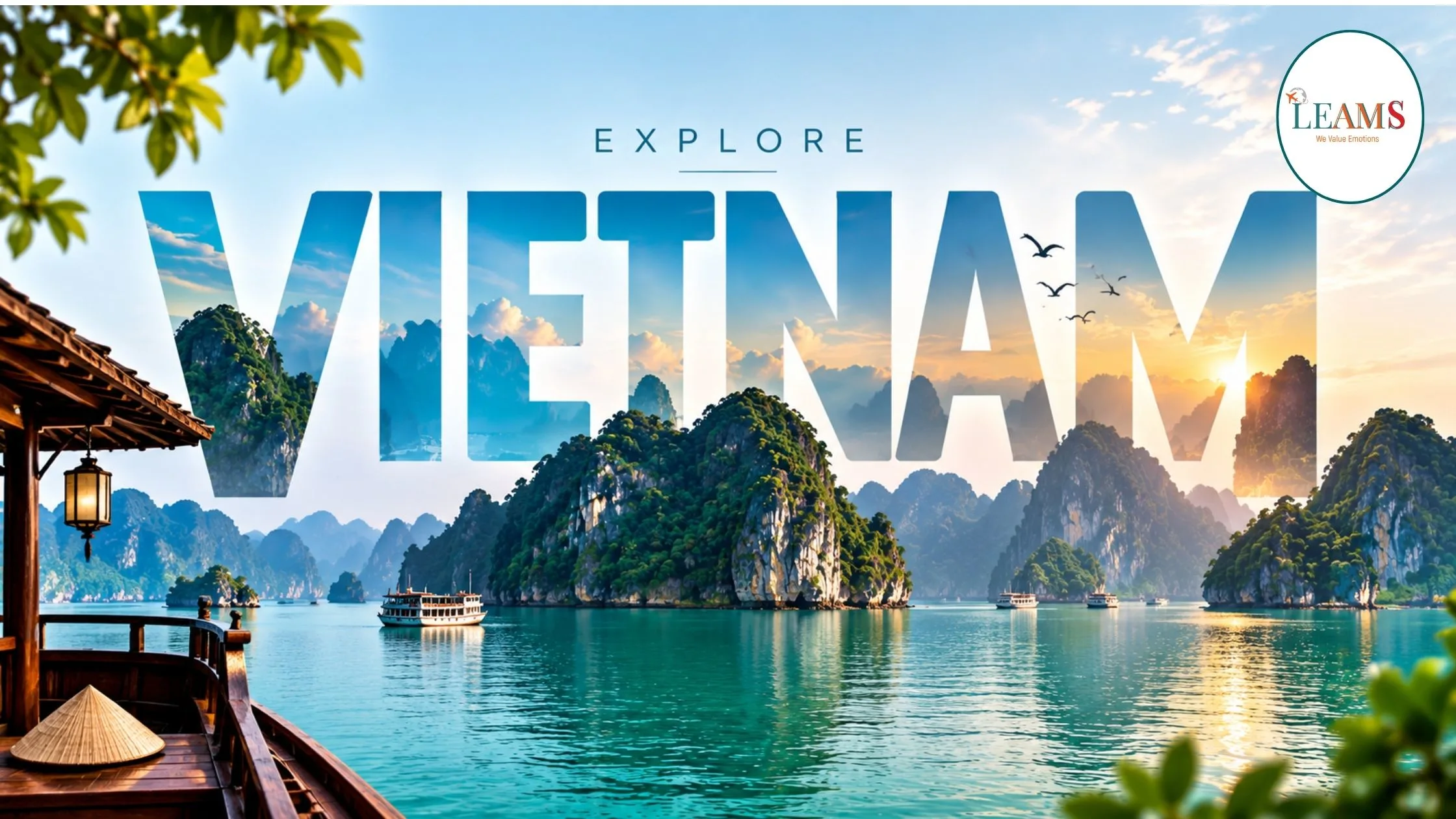
Scroll through travel content in 2026 and Vietnam keeps showing up — Ha Long Bay's limestone cliffs, Hanoi's old quarter, Da Nang's beaches, Hoi An's lantern-lit streets. It's not a fluke. Vietnam has genuinely become one of the easiest, most affordable Southeast Asian destinations to plan a trip to right now — but there's one part of the trend nobody's centering enough, and it comes straight from the Indian government itself.
Why Vietnam Is Actually Trending Right Now
It offers a lot in one trip. From mountain landscapes and beaches to historic towns, street-food hubs and fast-moving cities, Vietnam gives travellers very different experiences without needing to plan multiple countries.
The e-Visa has made travel more flexible. Vietnam offers e-Visas with validity of up to 90 days, with single or multiple-entry options, making longer and more flexible trips possible for eligible international travellers.
Vietnam is also gaining popularity among Indian travellers. Its mix of affordable travel, food, nightlife, heritage and diverse experiences makes it an increasingly attractive Southeast Asian destination.
The Part of the Trend Almost Nobody Talks About
Here's what many “Vietnam is trending” guides leave out: Indian passport holders do not have general visa-free entry to mainland Vietnam. For a typical tourist trip covering destinations such as Hanoi, Ho Chi Minh City, Da Nang or Hoi An, Indian travellers generally need to arrange a valid visa or e-Visa before travel.
There is, however, an important exception that often causes confusion: Phu Quoc Island has a separate visa-exemption policy that can allow eligible foreign travellers to stay for up to 30 days without a Vietnamese visa.
But this exemption comes with specific conditions. Travellers should check their itinerary, arrival and departure route, passport validity and the latest official entry requirements before relying on the Phu Quoc exemption.
What India's Own Government Actually Warned About
The Embassy of India in Hanoi issued an advisory specifically warning Indian travellers about the limitations of Phu Quoc's visa exemption. The exemption applies only to travel to and stay within Phu Quoc Island — it does not permit entry into mainland Vietnam.
Why does that matter? The Embassy noted that unexpected situations such as medical emergencies or flight disruptions can require travellers to reach mainland cities such as Ho Chi Minh City or Hanoi for treatment, onward travel, or other assistance.
Without a valid Vietnam visa permitting mainland entry, travellers can face delays in accessing medical facilities, travel restrictions, and immigration complications. For this reason, the Embassy advised Indian nationals to obtain an appropriate Vietnam visa before travelling to Phu Quoc, even when their original itinerary is limited to the island.
The advisory also highlighted another practical risk: losing your passport in Vietnam. Indian travellers who lose their passport must report the loss to the local police and approach the Embassy of India in Hanoi or the Consulate General of India in Ho Chi Minh City for an Emergency Certificate or other appropriate travel document.
Even after receiving an emergency travel document, departure may not be immediate. Travellers generally need an exit permit from the Vietnamese immigration authorities, which can take around 3 to 5 working days to process.
So Should You Skip Phu Quoc’s Visa-Free Entry?
Not necessarily. But based on the Indian government’s advisory, travellers should think carefully before relying solely on Phu Quoc’s visa exemption.
Even if Phu Quoc is your only planned destination, having a valid Vietnam e-Visa can provide additional flexibility if an unexpected medical emergency, flight disruption or itinerary change requires you to travel to mainland Vietnam.
Vietnam e-Visa: The Basics for Indian Travellers
For most Indian tourists travelling to mainland Vietnam, the e-Visa is the standard and most convenient option.
- Valid for up to 90 days
- Available for single or multiple entries
- Application can be completed online through Vietnam’s official immigration e-Visa portal
- Travellers must use an entry and exit checkpoint permitted under Vietnam’s e-Visa system
- Your passport and e-Visa details should match exactly, and you should check your planned arrival point before booking travel
Final Word
Vietnam’s appeal in 2026 is easy to understand — diverse landscapes, affordable travel, rich food and culture, and a flexible e-Visa system have made it an increasingly attractive destination for Indian travellers.
But before travelling, it’s important to understand the rules behind the headlines. Phu Quoc’s visa exemption is limited to the island and does not provide general entry to mainland Vietnam. Unexpected medical needs, flight disruptions or itinerary changes can therefore create complications for travellers relying solely on the exemption.
The practical takeaway is simple: check the latest official visa and entry requirements against your complete itinerary before you travel.
Planning a Vietnam trip and unsure which visa applies to your itinerary? Get a free visa guidance session with the LEAMSS team before you apply.
About This Article
Reviewed by the LEAMSS Team - This article is based on official immigration information and Indian government travel guidance available at the time of review. Visa and entry rules can change, so travellers should always verify the latest requirements with the relevant official authorities before booking or travelling.
Have questions about your Vietnam travel plans? Talk to our team directly.
Official Sources
Consulate General of India, Ho Chi Minh City — Advisory for Indian Nationals Travelling to Viet Nam
Vietnam Immigration Department — Official e-Visa Portal